
Habitats Explained
Understanding habitats in Biodiversity Net Gain
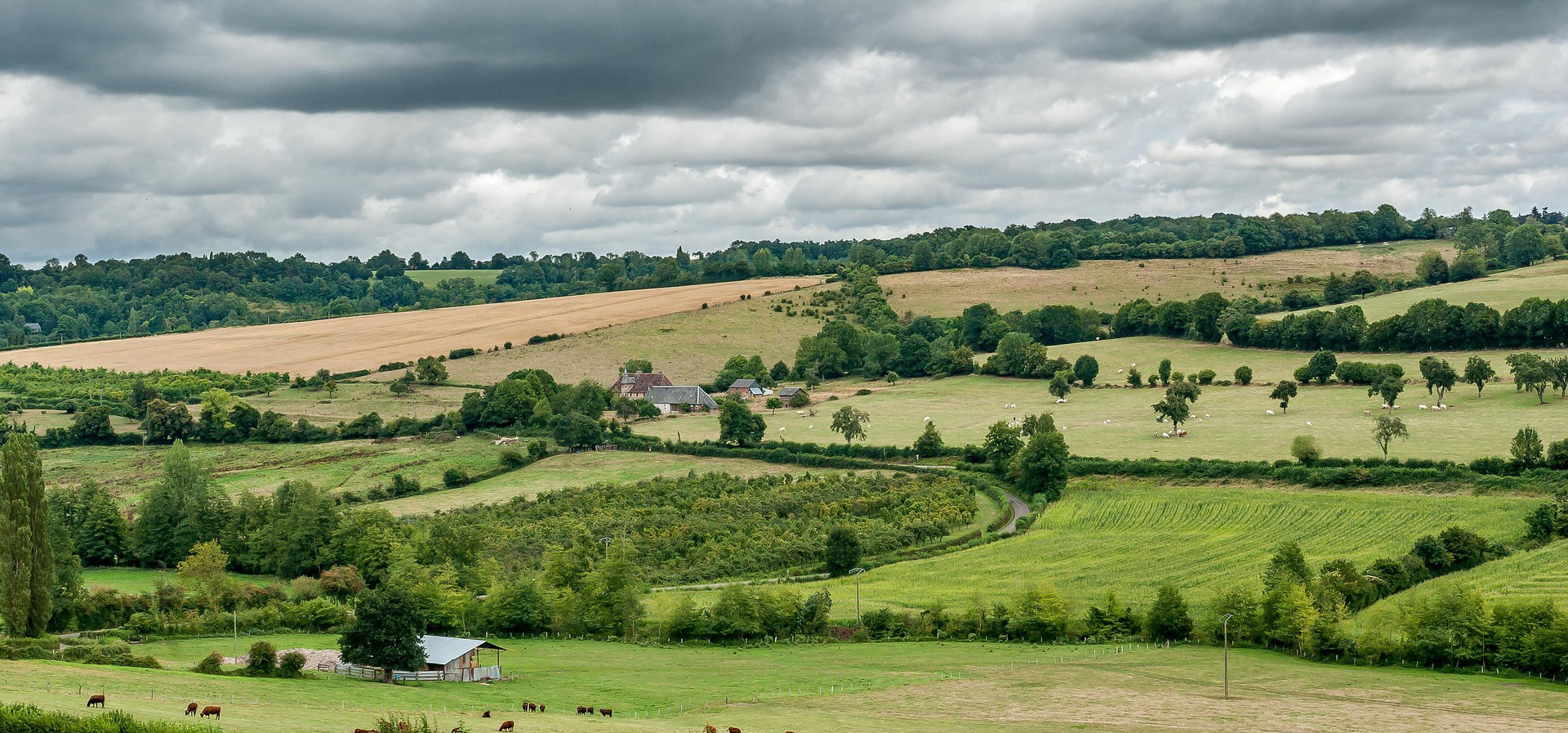
In the context of Biodiversity Net Gain (BNG), the term “habitat” is used to describe the type of natural environment present on a site.
Habitats are central to how biodiversity is measured and improved, but you do not need to be an expert in ecology to understand how they affect your project.
This page provides a simple, high-level explanation of what habitats mean within Biodiversity Net Gain.
What a habitat means in BNG terms
A habitat is the environment in which plants and animals live.
In Biodiversity Net Gain, habitats are assessed based on their type, size, and condition, and this information is used to calculate biodiversity units.
The focus is on measurable outcomes rather than detailed species knowledge.
Why habitats matter
Different habitats support different levels of biodiversity.
As a result, changes to habitats — whether through loss, creation, or enhancement — affect the number of biodiversity units associated with a site.
This is why habitats form the basis of how Biodiversity Net Gain is measured and delivered.
Common habitat groupings
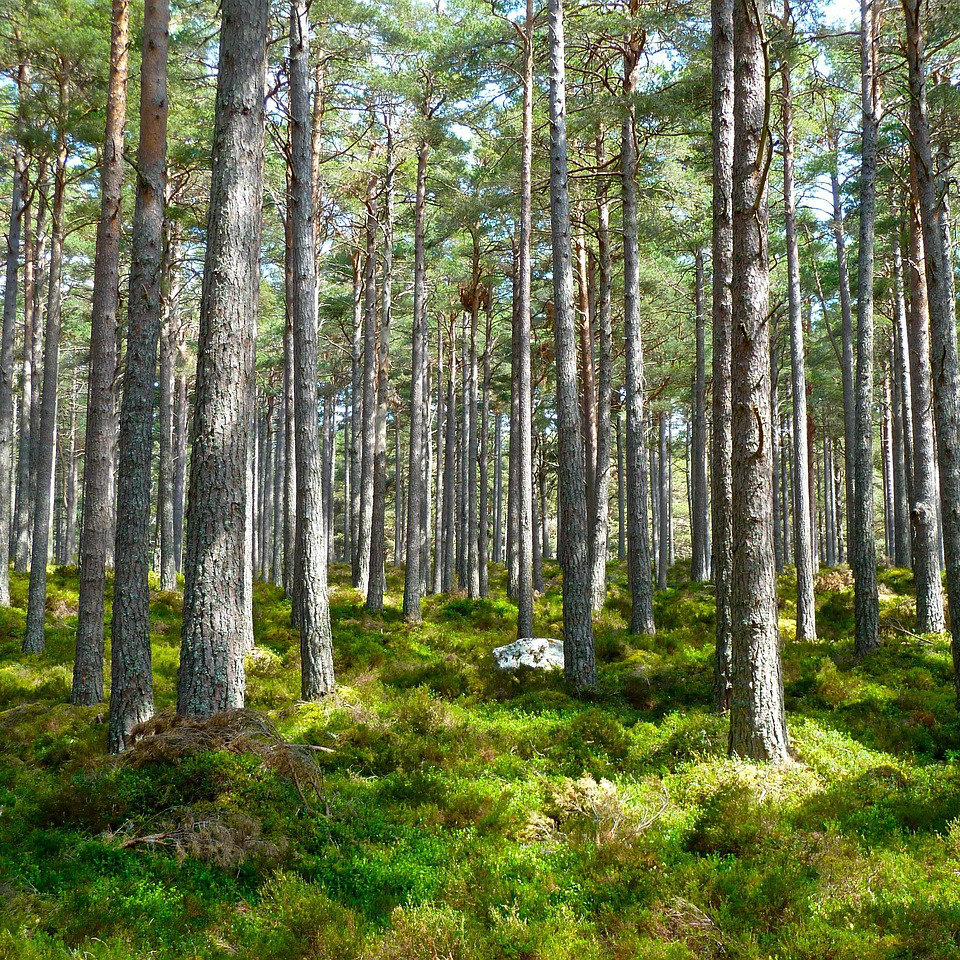
For simplicity, habitats used in Biodiversity Net Gain are often grouped into broad categories.
Examples include:
- Grassland habitats, such as improved or semi-natural grassland
- Woodland habitats, including existing woodland or newly planted areas
- Hedgerows and linear features, which are assessed separately from area-based habitats
- Wetland and water habitats, such as ponds or watercourses
- Urban and developed land, which may still have biodiversity value
These groupings help structure assessment and comparison rather than define rigid ecological boundaries.
On-site and off-site habitats
Where Biodiversity Net Gain is delivered on-site, habitats are created or enhanced within the development boundary.
Where this is not possible, off-site Biodiversity Net Gain allows habitat improvements to be delivered at a different location.
In both cases, the same principles apply: habitats must be measurable, suitable, and capable of being managed over the long term.
Matching habitats in off-site delivery
When off-site Biodiversity Net Gain is used, habitat types are considered to ensure that delivery is appropriate.
This does not mean that habitats must be identical, but that the biodiversity outcomes are suitable and acceptable within the planning framework.
Habitat matching is handled through the assessment and allocation process rather than being a decision you need to make yourself.
You are not expected to choose habitats
One common concern is whether developers or home owners are expected to select or design habitats themselves.
This is not the case.
Habitats are assessed, matched, and managed through a structured process involving ecological expertise and planning considerations.
Keeping habitats in perspective
Habitats are an important part of Biodiversity Net Gain, but they are one part of a wider, structured process.
Understanding the basics helps provide context, but delivery does not depend on detailed ecological knowledge.
A clear process ensures that habitats are handled appropriately and proportionately.
Simply delivering Biodiversity Net Gain.